Getting Duplicate TradingView Alerts? Here's Why
The same alert firing five times in a row isn't a glitch — it's usually one setting, and occasionally three copies of the same alert you forgot about.
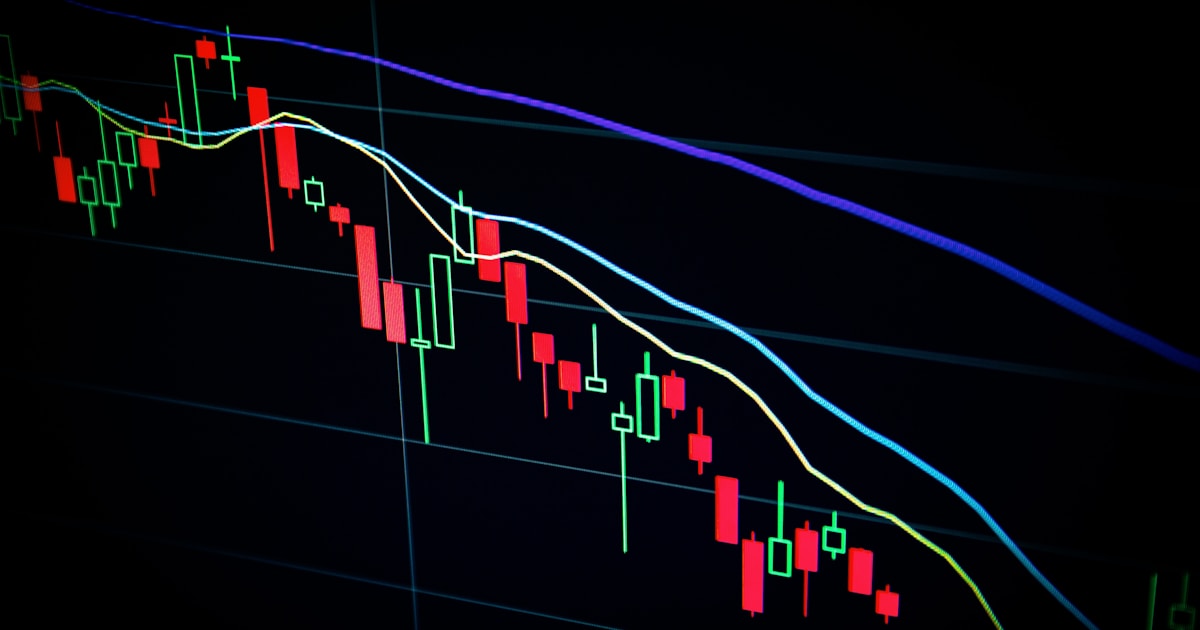
Repeated alerts train you to ignore alerts, which defeats the purpose entirely. Four causes account for nearly all of them.
1. The trigger is set to "Once per bar"
This is the big one. "Once per bar" fires every time the condition is true during a bar — and a condition like price above 100 is true on every tick while price stays above 100.
Switch to "Once per bar close" and you get one alert per candle, after the candle confirms. For most conditions this is what people actually wanted. Use "Only once" for a level you only need to be told about a single time.
2. You created the alert more than once
Open the alerts panel and read the full list rather than the last few entries. Duplicates accumulate easily: an alert created from two layouts, or recreated after you assumed the first one had expired.
Sort by symbol, and delete everything you can't explain. If you keep several similar alerts deliberately, rename them — an alert called "ES 15m close above range high" is obvious; three alerts called "Alert on ES" are not.
3. Multiple delivery channels for the same alert
One alert with app push, email and a webhook enabled is one trigger arriving three ways. It looks like three alerts.
Open the alert's notification settings and keep only the channel you actually read.
4. The condition oscillates around a level
A condition like RSI crosses 70 can cross back and forth repeatedly while RSI hovers right at the level. Each crossing is a genuine, separate trigger.
Fixes:
5. The script itself repeats the condition
Some scripts call an alert function on every bar where a state is true, rather than only on the bar where it becomes true. If the alert message is identical on consecutive bars, this is the likely cause and it's inside the script, not your settings.
If you can edit the script, the condition should compare against the previous bar's state so it fires on the transition rather than the state. If you can't, "Only once" combined with recreating the alert manually is the workaround.
Cleaning up
Related
Frequently Asked Questions
Why do I get the same TradingView alert twice?
The most common causes are two alerts created on the same condition, or an alert set to trigger once per bar firing again as price crosses back and forth inside the bar.
How do I stop duplicate alerts?
Open the Alerts panel, delete copies of the same alert, and switch the trigger to once per bar close if you only want confirmed signals.
SimpleAlgo is not affiliated with, endorsed by, or sponsored by TradingView. TradingView is a trademark of TradingView, Inc. Platform menus and settings change over time — if a step doesn't match what you see, check TradingView's current help documentation.
Filed under
Written by
Nikolas MetreveliFounder of SimpleAlgo
Nikolas wrote his first real code at 12 and freelanced software tools and websites for small businesses before finding the markets at 15. He builds and maintains every SimpleAlgo indicator and writes these guides from hands-on use of the tools.
More about Nikolas and SimpleAlgoRelated Articles

TradingView Alerts Arriving Late? Why, and How to Fix It
An alert that lands three minutes after the move is worse than no alert. Here's what causes the lag and which part of it you can actually control.

How to Set Up TradingView Alerts That Actually Fire
Price alerts, indicator alerts, and alert conditions explained — plus the settings that stop your alerts firing late, twice, or not at all.
TradingView Alerts Not Working? 9 Causes and Fixes
Alerts that never fire, fire late, or fire twice almost always come down to nine settings. Work through them in order and you'll find the one causing your problem.
Related tools and guides
Next steps on this topic from the rest of the SimpleAlgo library.