Crypto Regulations in 2026: What Traders Need to Know
Stay informed about the latest cryptocurrency regulations and how they might affect your trading activities in 2026.

Crypto Regulations in 2026: What Traders Need to Know
The regulatory landscape for cryptocurrencies continues to evolve. Here's what traders need to know about the current state of crypto regulations.
Global Regulatory Overview
United States
The SEC and CFTC continue to shape crypto regulations:
European Union
MiCA (Markets in Crypto-Assets) is now in effect:
Asia Pacific
Mixed regulatory approaches:
Impact on Traders
Tax Implications
Exchange Compliance
Stablecoins
What This Means for You
Looking Ahead
Expect continued regulatory development throughout 2026:
Conclusion
While regulations may seem burdensome, they ultimately provide legitimacy and protection for the crypto market. Stay informed and trade responsibly.
This article is for informational purposes only and should not be considered legal or tax advice.
Filed under

Written by
Nikolas MetreveliFounder of SimpleAlgo
Nikolas wrote his first real code at 12 and freelanced software tools and websites for small businesses before finding the markets at 15. He builds and maintains every SimpleAlgo indicator and writes these guides from hands-on use of the tools.
More about Nikolas and SimpleAlgoRelated Articles

Bitcoin Market Analysis: January 2026 Outlook
A comprehensive analysis of Bitcoin's current market position, key levels to watch, and potential scenarios for January 2026.
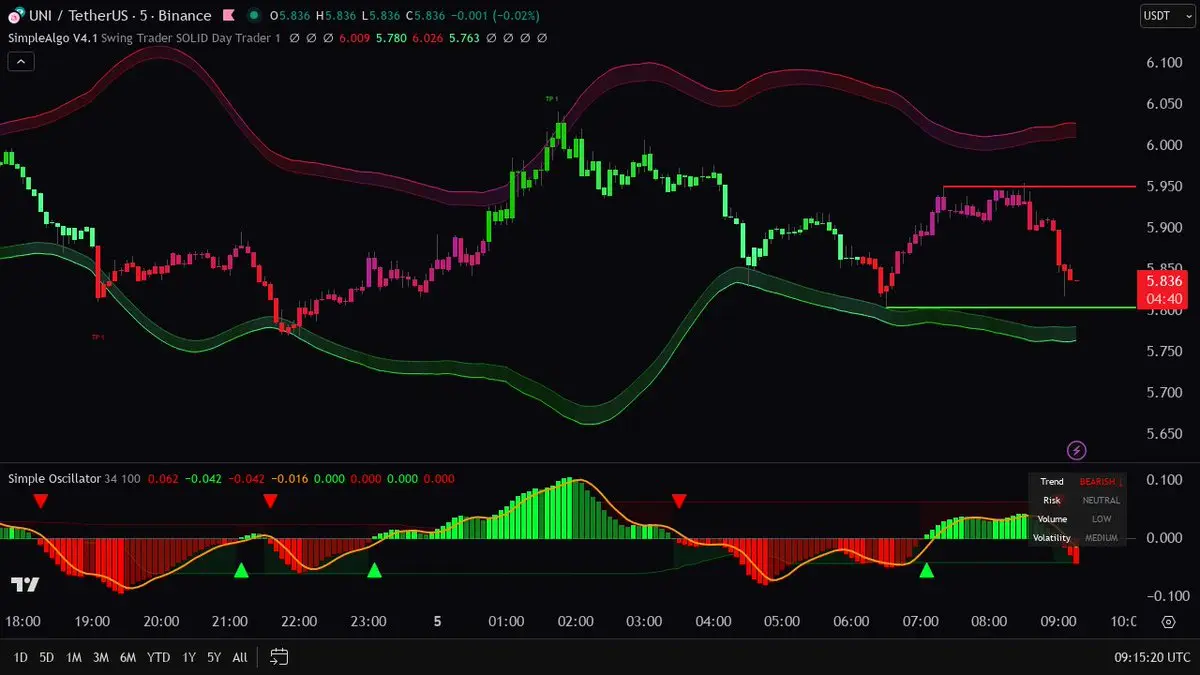
Oscillator Trading: Live Examples from Real Markets
See the SimpleAlgo Oscillator in action with real trading examples from crypto, stocks, and forex markets.
Crypto Trading Strategies for Beginners in 2026
New to crypto trading? Learn four common approaches to Bitcoin, Ethereum and altcoins, with clear rules and practical risk-management considerations.
Related tools and guides
Next steps on this topic from the rest of the SimpleAlgo library.